
#News
Come le valvole a membrana ad altissima purezza garantiscono l'assenza di contaminazione nei processi produttivi critici
Come le valvole a membrana ad altissima purezza garantiscono l'assenza di contaminazione nei processi produttivi critici
In advanced industries such as semiconductor manufacturing, pharmaceutical production, biotechnology, aerospace, and high-purity chemical processing, contamination control has become one of the most critical factors affecting product quality and process reliability. Even microscopic particles, trace metal ions, or residual chemicals can cause significant defects, especially in semiconductor fabrication where process nodes continue to shrink toward advanced technologies.
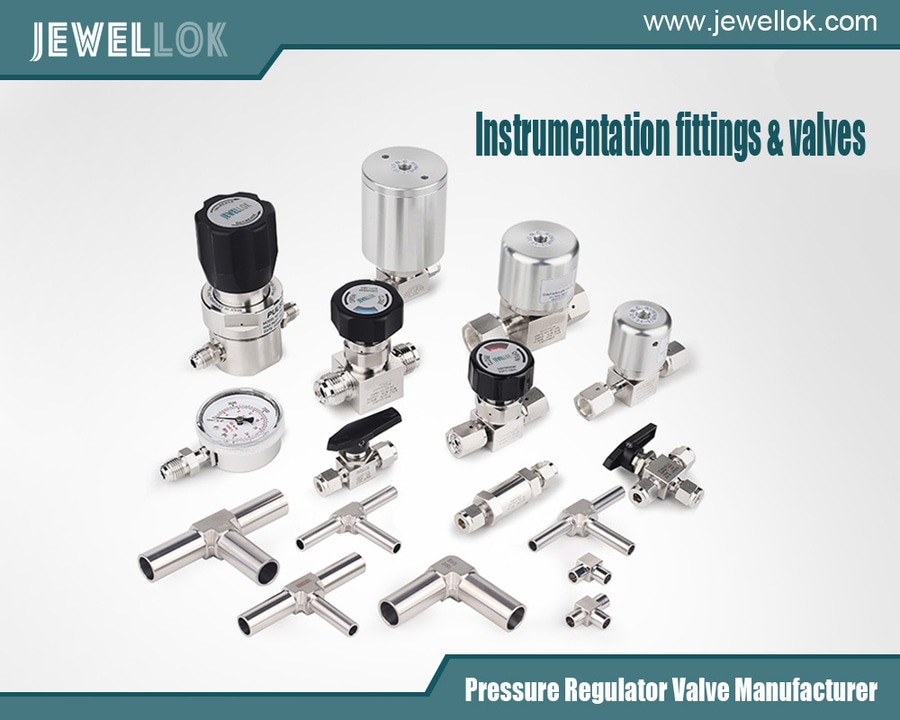
Among various fluid and gas control components, the Ultra High Purity (UHP) diaphragm valve plays a vital role in maintaining contamination-free environments. Unlike conventional valves, UHP diaphragm valves are specifically engineered for extremely clean applications where gas and chemical purity must be preserved throughout the entire delivery system.
By combining advanced material selection, optimized internal structures, surface treatment technologies, and strict manufacturing processes, UHP diaphragm valves can effectively minimize particle generation, prevent leakage, and ensure reliable performance in critical applications.
This article explores how ultra high purity diaphragm valves achieve near-zero contamination and why they have become essential components in modern high-tech manufacturing systems.
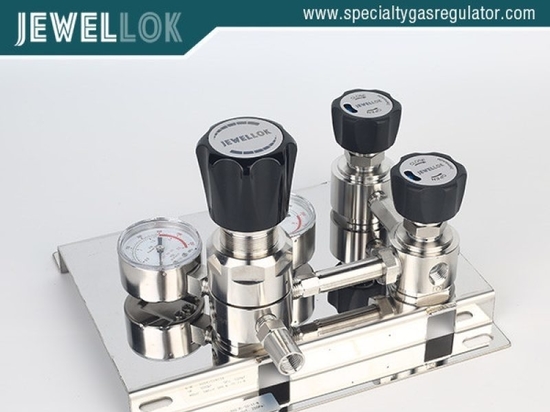
Regolatore di pressione a doppio stadio ad altissima purezza per semiconduttori
1. Understanding the Importance of Contamination Control in UHP Systems
Ultra high purity gas and chemical delivery systems are designed to transport sensitive materials such as semiconductor process gases, specialty gases, corrosive chemicals, and pharmaceutical fluids. Any contamination introduced during transportation can negatively impact the final product.
For example, in semiconductor manufacturing, contaminants can lead to:
Riduzione della resa dei wafer
Defective integrated circuits
Increased production costs
Shortened equipment lifetime
Instabilità del processo
Common contamination sources include:
Particle Contamination
Particles may originate from:
Internal valve wear
Mechanical friction
Poor surface finishing
Material degradation
Improper cleaning processes
Even particles smaller than one micrometer can affect semiconductor processes.
Metal Ion Contamination
Metal ions released from valve materials may react with sensitive chemicals or gases. Trace elements such as iron, nickel, chromium, and copper must be strictly controlled in semiconductor applications.
Gas and Chemical Leakage
External leakage or internal leakage can introduce unwanted substances into the process line, reducing system purity and safety.
Therefore, every component inside a UHP delivery system must be designed to eliminate contamination risks. The diaphragm valve is one of the most important components because it directly controls the flow path of high-purity media.
2. Unique Structure Design of Ultra High Purity Diaphragm Valves
The key feature that allows UHP diaphragm valves to achieve contamination-free operation is their unique isolation structure.
Unlike traditional globe valves or ball valves, diaphragm valves use a flexible metal diaphragm to separate the process media from the mechanical operating components.
The basic structure includes:
Valve body
Metal diaphragm
sede della valvola
Actuator mechanism
Gas inlet and outlet ports
The diaphragm acts as a physical barrier between the process fluid and the valve actuator.
This design provides several advantages:
Complete Media Isolation
Because the diaphragm completely separates the gas or chemical from the operating mechanism, there is no direct contact between process media and moving parts.
This prevents:
Contaminazione da lubrificante
Particle generation from mechanical components
Corrosion products entering the flow path
Reduced Dead Space Design
High-quality UHP diaphragm valves are manufactured with optimized internal geometry to minimize dead volume.
A smaller dead volume means:
Less trapped gas
Faster purging
Reduced cross contamination
Improved process response
This is especially important in semiconductor gas delivery systems where different process gases may be switched frequently.
3. High Purity Materials Prevent Chemical Contamination
Material selection is one of the most important factors determining valve purity performance.
UHP diaphragm valves typically use semiconductor-grade stainless steel materials such as:
acciaio inossidabile 316L
VIM-VAR 316L stainless steel
acciaio inossidabile elettrolucidato
316L Stainless Steel Advantages
L'acciaio inossidabile 316L offre:
Eccellente resistenza alla corrosione
Low metal ion release
Elevata resistenza meccanica
Compatibility with aggressive chemicals
For semiconductor applications, standard industrial stainless steel is often insufficient. Ultra-high purity systems require specially controlled metallurgy and manufacturing processes.
VIM-VAR Material Technology
Vacuum Induction Melting (VIM) and Vacuum Arc Remelting (VAR) are advanced refining processes used to produce extremely clean metal materials.
I vantaggi includono:
Reduced impurities
Improved material consistency
Lower inclusion levels
Maggiore resistenza alla corrosione
These characteristics make VIM-VAR 316L stainless steel suitable for critical gas delivery systems.
4. Electropolishing Technology for Ultra Smooth Internal Surfaces
Surface treatment is another key technology used to prevent contamination.
UHP diaphragm valves usually undergo advanced electropolishing processes.
Electropolishing removes microscopic surface imperfections through an electrochemical process.
After electropolishing, the internal surface becomes:
Extremely smooth
Less reactive
Easier to clean
Less likely to trap particles
Typical surface roughness requirements for UHP applications may reach:
Ra ≤ 0.25 μm
Ra ≤ 0.15 μm for advanced semiconductor applications
A smoother surface reduces:
Particle adhesion
Chemical absorption
Ritenzione dell'umidità
Gas residue accumulation
As a result, the valve can maintain high purity even during continuous operation.
5. Metal Diaphragm Technology Ensures Leak-Free Performance
The diaphragm is the heart of a UHP diaphragm valve.
Modern high-performance valves use specially designed metal diaphragms made from materials such as:
Nickel-cobalt alloy
Hastelloy alloy
High-performance stainless steel
These materials provide:
Excellent fatigue resistance
Elevata resistenza alla corrosione
Stable mechanical performance
High Cycle Life
In semiconductor fabs, valves may operate thousands or millions of cycles.
A high-quality diaphragm must maintain:
Consistent sealing force
Bassa generazione di particelle
Reliable pressure control
Ultra Low Leakage Performance
Advanced UHP diaphragm valves can achieve extremely low leakage rates, making them suitable for toxic, corrosive, and sensitive gases.
Typical performance requirements include:
test di perdita di elio
Internal leakage testing
External leakage testing
This ensures that hazardous gases remain safely contained while protecting process purity.
6. Strict Manufacturing Processes Reduce Contamination Risks
Even the best materials cannot guarantee purity without strict manufacturing control.
UHP diaphragm valves require specialized production environments.
Clean Manufacturing Environment
Manufacturing processes often include:
Class 1000 or better cleanroom assembly
Particle-controlled machining
Specialized cleaning procedures
Purity-controlled packaging
Advanced Cleaning Processes
Before shipment, UHP valves typically undergo multiple cleaning steps:
Ultrasonic Cleaning
Removes:
Oil residues
Machining particles
Surface contaminants
Chemical Cleaning
Removes:
Metal residues
Organic contamination
Oxide layers
High Purity Water Rinsing
Uses ultra-pure water to prevent secondary contamination.
Drying and Packaging
Valves are dried using controlled processes and sealed in clean packaging to maintain purity before installation.
7. Preventing Moisture and Gas Adsorption
Moisture contamination is another major concern in semiconductor processes.
Certain gases, including:
Silano
Ammoniaca
Cloruro di idrogeno
Boron compounds
are extremely sensitive to moisture.
UHP diaphragm valves reduce moisture risks through:
superfici interne lisce
Low dead volume designs
High integrity sealing
Proper surface treatment
Some advanced valves are designed with extremely low moisture outgassing characteristics, helping maintain stable process conditions.
8. Applications of Ultra High Purity Diaphragm Valves
Due to their superior contamination control capabilities, UHP diaphragm valves are widely used in:
Produzione di semiconduttori
Le applicazioni includono:
Armadi a gas
deposizione chimica da fase vapore (CVD)
Deposizione di strati atomici (ALD)
Sistemi di incisione
Sistemi di impianto ionico
They control high-purity process gases such as:
Azoto
Ossigeno
Idrogeno
Specialty gases
Gas corrosivi
Industria farmaceutica
Utilizzato per:
Sterile fluid handling
Biopharmaceutical processing
High-purity water systems
industria chimica
Utilizzato in:
Corrosive chemical delivery
Specialty chemical transportation
Laboratori di ricerca
Produzione di pannelli solari e display
Utilizzato per:
Thin-film deposition
Vacuum coating processes
Controllo del gas ad alta purezza
9. How UHP Diaphragm Valves Support Semiconductor Yield Improvement
In semiconductor manufacturing, contamination control directly affects production efficiency.
A reliable UHP diaphragm valve helps improve:
Process Stability
Stable gas flow and pressure control create consistent manufacturing conditions.
Equipment Reliability
Reduced contamination prevents:
Valve failure
Pipeline blockage
corrosione delle apparecchiature
Product Yield
Lower contamination levels result in:
Fewer wafer defects
Higher production efficiency
Reduced material waste
Therefore, UHP diaphragm valves are not simply flow-control devices; they are critical components that directly influence manufacturing performance.
10. Future Development Trends of UHP Diaphragm Valves
As semiconductor technology continues advancing toward smaller process nodes, requirements for purity and reliability will become increasingly strict.
Future UHP diaphragm valve technologies will focus on:
Higher Purity Materials
New alloy technologies will further reduce contamination sources.
Intelligent Valve Monitoring
Smart valves integrated with sensors may provide:
Real-time leakage detection
Monitoraggio del ciclo
Manutenzione predittiva
Better Surface Technologies
Advanced coating and polishing technologies will improve corrosion resistance and reduce particle generation.
Miniaturized Designs
Compact valve designs will support smaller and more complex semiconductor equipment.
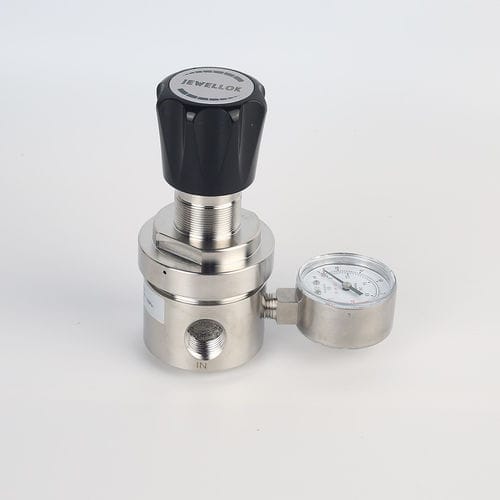
miglior regolatore monostadio per semiconduttori ad altissima purezza
Conclusione
Ultra high purity diaphragm valves ensure zero contamination through a combination of advanced structural design, premium materials, precision manufacturing, and strict cleanliness control.
The diaphragm isolation mechanism prevents contact between process media and mechanical components. High-purity 316L stainless steel materials reduce chemical contamination risks. Electropolishing technology creates ultra-smooth internal surfaces, while advanced sealing designs provide extremely low leakage performance.
For semiconductor fabs, pharmaceutical facilities, and other critical industries, UHP diaphragm valves are essential components for maintaining process integrity and achieving consistent product quality.
As manufacturing technologies continue to demand higher purity levels, ultra high purity diaphragm valves will remain a fundamental solution for safe, reliable, and contamination-free fluid and gas control systems.
For more about how ultra high purity diaphragm valves ensure zero contamination in critical manufacturing processes, you can pay a visit to Jewellok at https://www.jewellok.com/ per maggiori informazioni.